
If you're a parent in Homa Bay, Kisui, Migori or anywhere in Nyanza, you've likely heard the term "CBC", but what exactly is it? How is it different from the old education system? And how does it prepare your child for the future? In this guide, we break down Kenya's Competency Based Curriculum and explain how Sikri Junior Academy delivers it to ensure your child thrives.
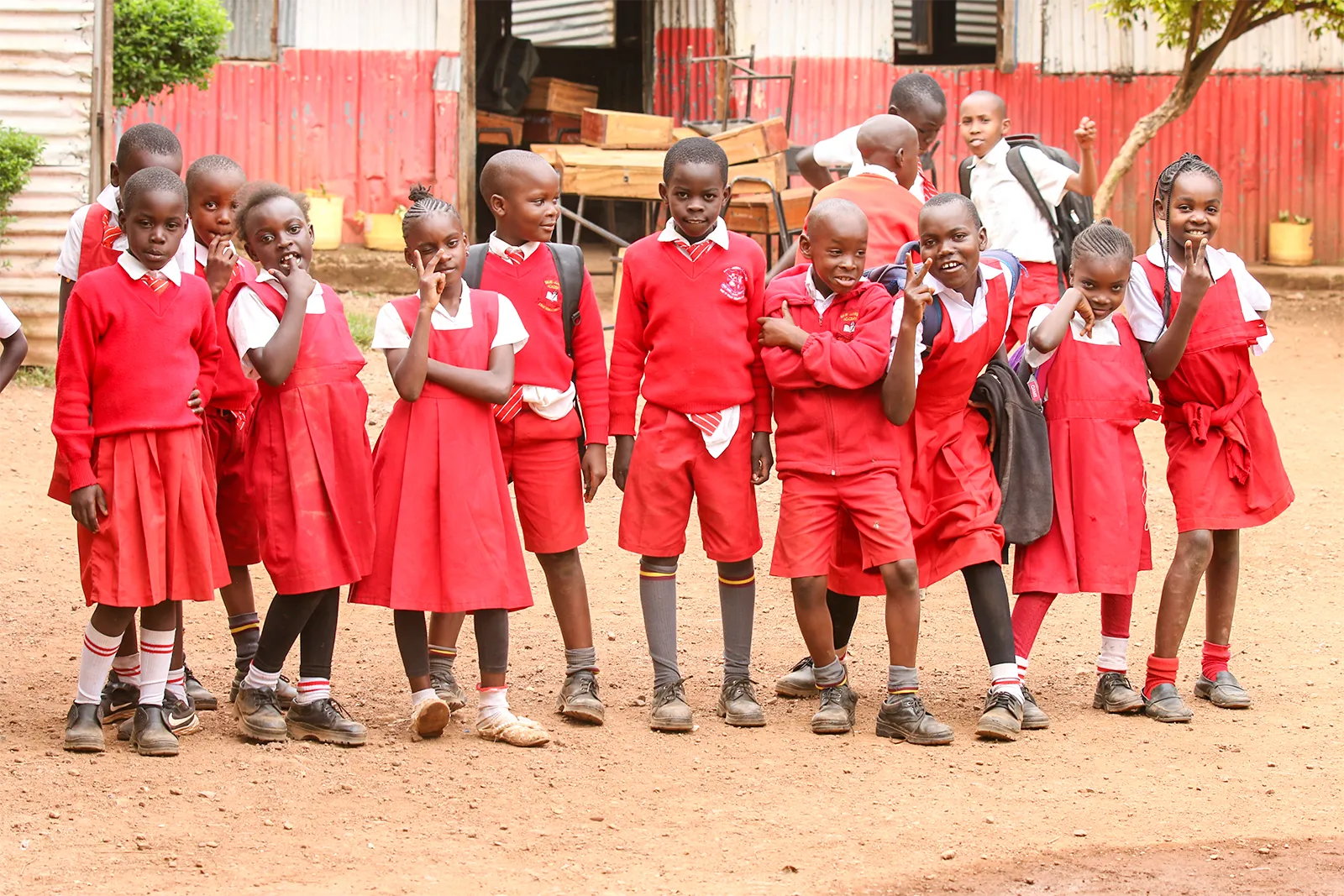
What is CBC (Competency Based Curriculum)?
CBC is Kenya's new national curriculum that replaced the 8-4-4 system in 2017. The big difference? Instead of focusing primarily on memorization and exams, CBC emphasizes developing competencies, the practical skills, knowledge, and attitudes that learners need to solve real-world problems and succeed in life.
In simple terms: The old system taught you what to think. CBC teaches you how to think, and how to apply that thinking to the real world.
The CBC Learning Stages
Kenya's CBC is structured in four learning stages. Understanding these stages helps you track your child's journey through primary and junior secondary education.
Stage 1: Playgroup & PP (Early Childhood)
Ages 3-5. Focus on:
- Phonemic awareness and early literacy
- Numeracy foundations
- Social-emotional development
- Physical coordination and gross motor skills
- Learning through play and exploration
At Sikri, our Playgroup programme emphasizes joyful learning, language development, and laying a strong foundation for literacy and numeracy.
Stage 2: Grade 1-3 (Lower Primary)
Ages 6-8. Building blocks include:
- Literacy and numeracy in English and Kiswahili
- Introduction to STEM concepts
- Social studies and understanding the community
- Creative and performing arts
- Developing independence and responsibility
Stage 3: Grade 4-6 (Upper Primary)
Ages 9-11. Learners develop:
- Deeper subject-matter knowledge
- Critical thinking and problem-solving
- Digital literacy and ICT skills
- Health and physical education
- Beginning specialization in areas of interest
Stage 4: Grade 7-9 (Junior Secondary)
Ages 12-14. Greater focus on:
- Subject specialization in sciences, mathematics, languages, social sciences
- Career exploration and guidance
- Practical skills training
- Leadership and civic responsibility
- Preparation for KJSEA assessments (Kenya Junior Secondary Education Assessment)
Key Competencies Learners Build
Rather than just passing exams, CBC learners develop these critical competencies:
- Communication & Collaboration – Working effectively with others, expressing ideas clearly
- Critical Thinking & Problem-Solving – Analyzing information and finding creative solutions
- Creativity & Imagination – Innovating and thinking outside the box
- Citizenship – Understanding rights, responsibilities, and community
- Digital Literacy – Using technology confidently and safely
- Self-Efficacy – Believing in yourself and taking initiative
How the New System Differs from 8-4-4
Old System (8-4-4): Heavy emphasis on memorization, summative exams, streaming by academics at Grade 8.
CBC: Continuous assessment, practical application, integrated learning, emphasis on skills alongside subject knowledge.
In practice, this means your child isn't just learning history facts, they're analyzing primary sources, thinking critically about historical events, and understanding how history informs today's world.
How Strong Classroom Practice Brings It to Life
At Sikri, we don't just follow the CBC curriculum, we champion it:
1. Teacher Training & Development
Our teachers undergo continuous professional development in CBC pedagogy, ensuring they facilitate learning rather than just lecture.
2. Competency-Focused Assessments
We use a mix of assessment methods, projects, presentations, practical work, tests, to evaluate whether learners can actually apply what they've learned.
3. Integration Across Subjects
We don't teach subjects in isolation. A project on water, for example, might integrate science, mathematics, social studies, and environmental studies.
4. Practical & Experiential Learning
From science labs to community service projects, learners learn by doing.
5. Individualized Learning Pathways
With manageable class sizes, teachers identify each child's strengths and interests, tailoring support and extension accordingly.
The KJSEA: What Happens in Grade 9
At the end of Grade 9, learners take the Kenya Junior Secondary Education Assessment (KJSEA), a new assessment that replaces the old KCPE. KJSEA assesses:
- English Language
- Kiswahili Language
- Mathematics
- Science & Technology
- Social Studies
- Religious Education (Christian, Islamic, or Hindu)
At Sikri, our Grade 9 learners are thoroughly prepared through targeted instruction, mock assessments, and mentorship, ensuring they're ready to excel.
How Parents Can Support Learning at Home
- Ask open-ended questions: Instead of "What's your homework?" try "What are you learning about? How will you use this?"
- Encourage projects & real-world application: If they're learning about measurement, involve them in cooking or building
- Read together: Literacy is foundational. Regular reading strengthens comprehension and critical thinking
- Support their interests: Let them explore what fascinates them, whether it's science, art, sports, or co-curricular activities
- Stay connected: Regular communication with teachers helps you understand your child's learning and support their growth
Looking Forward
CBC is here to stay, and it's reshaping education across Kenya. Our role at Sikri is to ensure every learner not only understands the competencies but truly internalizes them, becoming confident, capable, and compassionate members of society.
If you'd like to learn more about how we deliver CBC at Sikri Junior Academy, including our boarding facilities, we invite you to visit our school or contact our admissions team.